23 years since Ilham Aliyev was elected president: the path Azerbaijan has taken over the past 23 years
NQ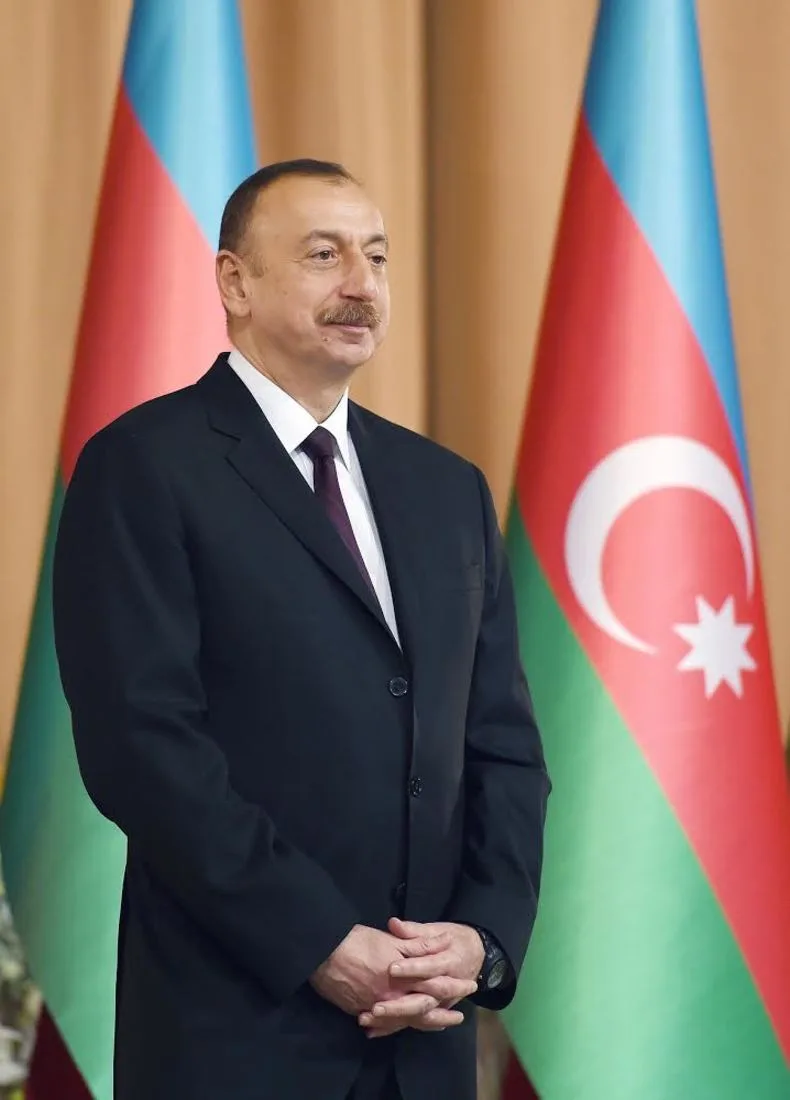
October 15, 2026 marks 23 years since Ilham Aliyev was first elected President of the Republic of Azerbaijan. This period, which began with the 2003 presidential election, has been marked by changes in the country’s political, economic and social life. What stages has Azerbaijan gone through from 2003 to today?
What political activity was Ilham Aliyev known for before being elected president?
Ilham Aliyev was born in Baku on December 24, 1961. Before entering politics, he received an education and worked in various positions. In the 1990s, he held senior posts at the State Oil Company of Azerbaijan. Later, he expanded his involvement in political processes.
Elected to the National Assembly in 1995 and 2000, Ilham Aliyev became head of the Azerbaijani delegation to the Parliamentary Assembly of the Council of Europe in 2001. In January 2003, he was elected Deputy Chair of the body. In August of the same year, he was appointed Prime Minister of Azerbaijan.
In the presidential election held on October 15, 2003, Ilham Aliyev won 76.84% of the votes considered reliable. On October 28, the Constitutional Court of the Republic of Azerbaijan confirmed the election results and declared him elected president.
Thus, a new era of the presidency began in Azerbaijan. One of the key issues facing the country at that time was continuing economic development, while another was resolving the Armenia-Azerbaijan conflict.
What formed the basis of economic development?
During Ilham Aliyev’s presidency, the energy sector played an important role in Azerbaijan’s economic policy. Increasing oil and gas production, delivering energy resources to international markets, and developing transport infrastructure were among the main directions of state policy.
In particular, the rise in oil revenues affected the country’s economic opportunities. Using these revenues, infrastructure projects were implemented, and work was carried out to build and renovate roads, schools and other public facilities.
At the same time, reducing dependence on the oil and gas sector was also one of the discussed directions of economic policy. The development of areas such as agriculture, tourism, industry and information technologies was brought to the agenda in order to diversify the economy.
But can economic development be explained only by energy revenues? When answering this question, it is necessary to take into account state investments, the activities of the private sector, changes in international markets and the population’s social situation as well. To assess the results of economic development, along with general indicators, it is important to focus on matters such as the distribution of income, employment and living expenses.
Which directions came to the fore in Azerbaijan’s foreign policy?
Over the past 23 years, energy cooperation, regional security, transport links and relations with international organizations have played a significant role in Azerbaijan’s foreign policy.
Azerbaijan took part in developing transport and energy ties between Europe and Asia. The country’s geographical position and energy resources were one of the main factors in relations with international partners.
At the same time, Azerbaijan expanded its strategic relations with Turkey and established cooperation in various fields with Russia, the European Union member states, China and other countries.
However, the results of foreign policy cannot be measured only by economic projects. Regional conflicts, competition among major powers, security issues and discussions related to international law are also factors affecting Azerbaijan’s foreign policy.
The Karabakh conflict and the 44-day Patriotic War
One of the most important events in Azerbaijan’s political and military history during Ilham Aliyev’s presidency was the 44-day Patriotic War, which took place in 2020.
Military operations that began on September 27, 2020 were halted on November 10 with a trilateral statement signed by the leaders of Azerbaijan, Armenia and Russia. As a result of the war, Azerbaijan restored control over a number of territories.
This event brought a serious change to the course of Azerbaijan’s long-standing Karabakh conflict. After the war, new political and security realities began to take shape in the region.
On September 19, 2023, military operations began in Karabakh. After the agreement reached on September 20, Azerbaijan announced that its sovereignty in the region had been fully restored.
However, the consequences of the conflict are not limited to military and political changes. Ensuring people’s safety, the return of displaced persons, restoration of settlements, the threat posed by mines and guaranteeing long-term peace in the region remain key issues.
How have elections changed from 2003 to today?
After 2003, Ilham Aliyev was also declared the winner in presidential elections held in 2008, 2013, 2018 and 2024.
After being elected president in 2003, under his leadership, policy was continued across various directions of public administration. In the following years, economic projects, regional development programs and foreign policy initiatives were carried out.
The extraordinary presidential election held on February 7, 2024 resulted in Ilham Aliyev being elected president for the next time.
So how should the results of long-term political leadership be assessed? When approaching this issue, in addition to election results, criteria such as political competition, the election environment, the functioning of state institutions and citizens’ participation in public and political life should also be taken into account. These topics form the basis for various assessments of Azerbaijan’s political system.
What issues face Azerbaijan?
Over the past 23 years, Azerbaijan has experienced significant changes in economic, political and regional terms. Energy projects, the development of infrastructure and the events that unfolded during the military stage of the Karabakh conflict hold a special place in the country’s modern history.
At the same time, issues such as diversifying the economy, developing the non-oil sector, creating new jobs, raising social welfare and improving the efficiency of public administration are also important for the country’s future development.
In the post-conflict period, the restoration of Karabakh and Eastern Zangezur, the return of former internally displaced persons to their native lands and ensuring lasting peace in the region are also among the main priorities.
October 15, 2026 marks 23 years since Ilham Aliyev was first elected president. Assessing this period requires not only listing the events that occurred, but also analyzing their economic, political and social consequences. The path Azerbaijan has taken over the past 23 years remains an important topic for understanding the country’s modern history.